Jared Hooker is a co-founder of Codefront Labs and a full-stack software engineer based in Redlands, California. He designs, builds, and operates software across SaaS platforms, developer tools, automation systems, and AI applications. His work covers the full product lifecycle: requirements, system architecture, frontend and backend development, deployment, monitoring, and ongoing improvements.
At Hooker Hill Studios, where he has worked since 2020, Jared has built web and desktop applications, browser extensions, editor integrations, command-line tools, and backend services. He works across TypeScript, Python, Java, React, Node.js, and PostgreSQL, with Docker, CI/CD, cloud infrastructure, and self-hosted services supporting production delivery. His engineering work includes database design, background processing, third-party integrations, authentication, and performance optimization.
His products include ForgeLoop, a platform that coordinates coding agents across isolated Git workspaces; Truss, a coding agent with a shared runtime for desktop, editor, and terminal clients; Rezzie, an AI resume-tailoring SaaS; and ResearchOS, a research platform that traces generated claims back to source evidence. Across these systems, he builds agent orchestration, MCP integrations, verification workflows, and recovery mechanisms that make complex software easier to operate and review.
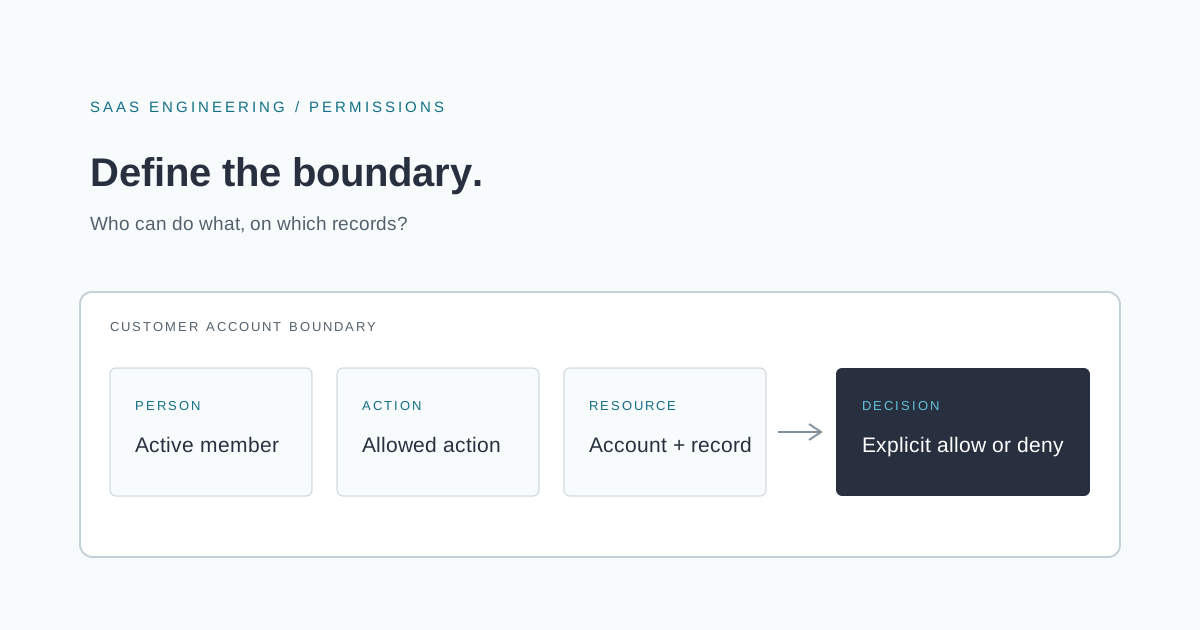
A practical guide to SaaS access control: define who can act on which records, separate roles from account boundaries, and test revocation and denied access.
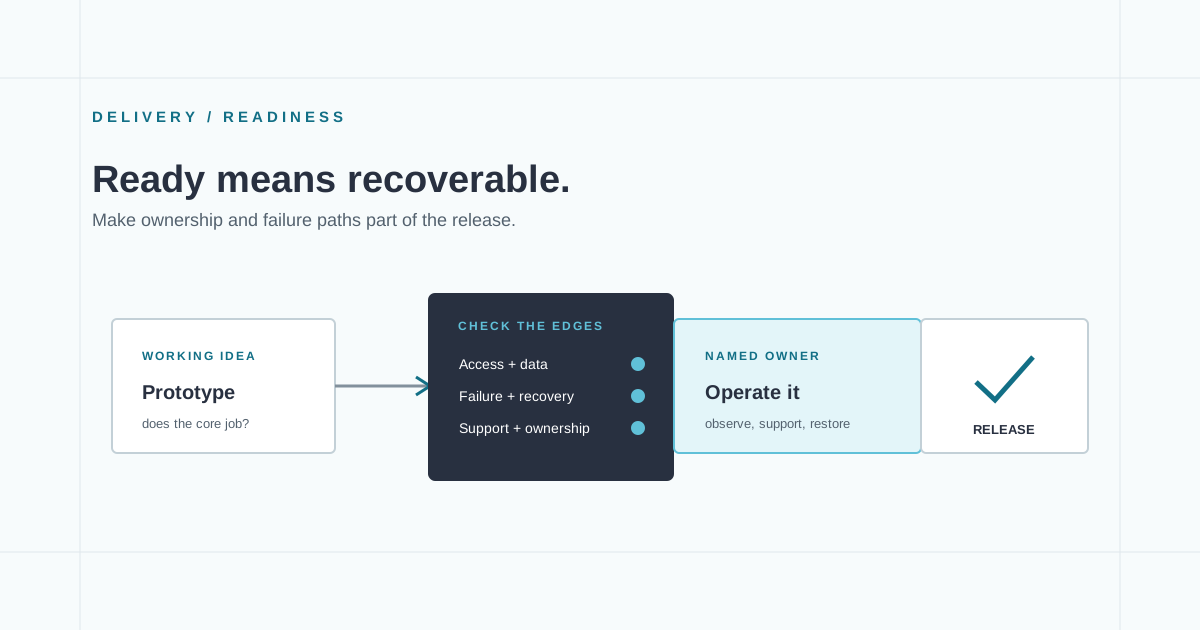
A practical readiness checklist for turning a working prototype into software people can rely on, from access and data handling to support and rollback.
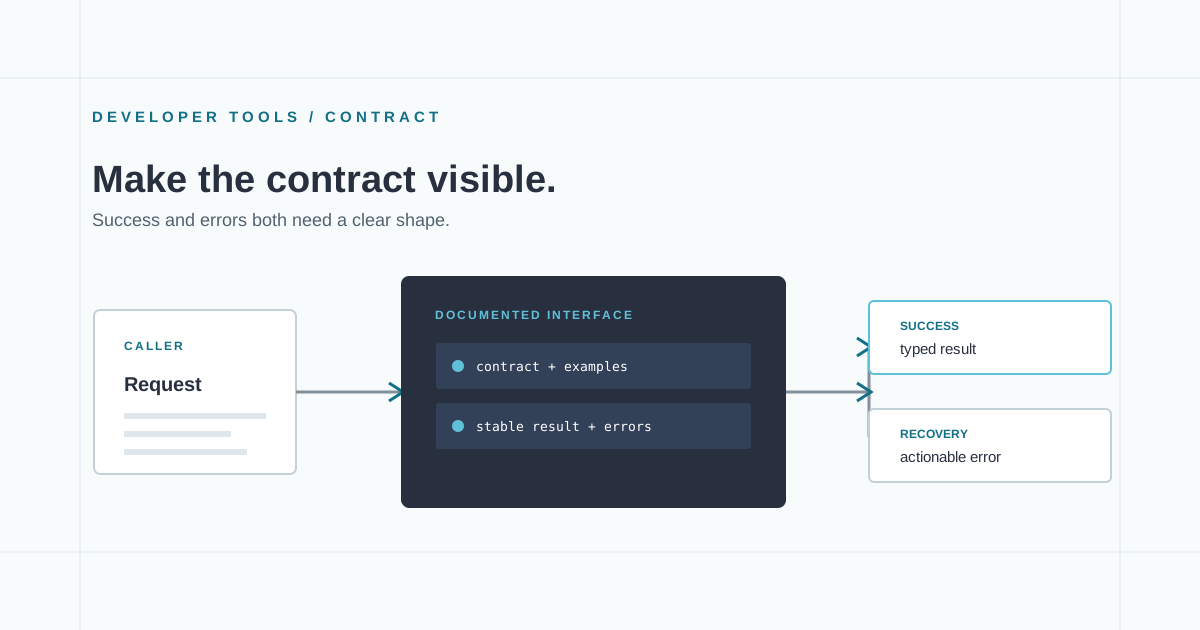
A practical guide to developer-facing software: stable contracts, useful errors, safe retries, runnable examples, and feedback that makes integrations easier to operate.
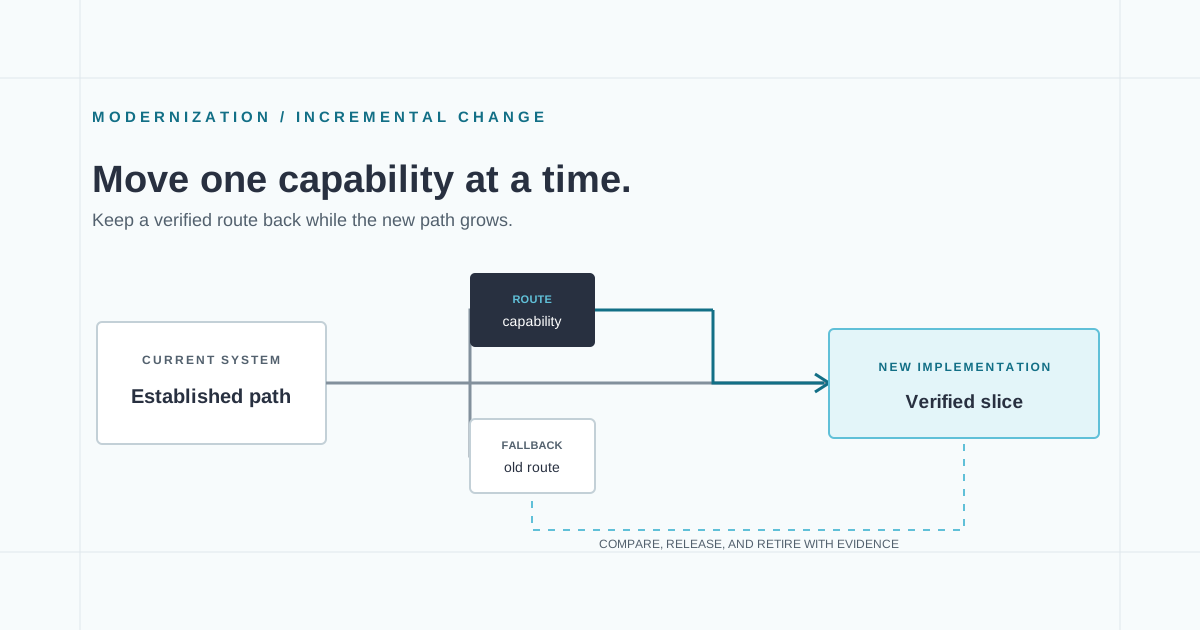
A risk-aware guide to legacy modernization: find a bounded seam, preserve the working path, verify data and behavior, and move one capability at a time.